
Vertical Gardens
- Brenton Reilly
- Nov 6, 2023
- 3 min read
Updated: Dec 5, 2023
Reach for the Skies and Unleash Your Green Thumb!
This post may contain affiliate links, meaning I receive a commission for purchases made through these links, at no extra cost to you.
Are you a plant enthusiast with limited space? Do you dream of a lush garden but find yourself confined to a tiny balcony or a postage-stamp-sized backyard? Fear not, fellow green thumbs! Vertical gardening is here to save the day, allowing you to transform any vertical surface into a vibrant oasis of plants. In this article, we'll dive into the captivating world of vertical gardening, exploring various types of planters and uncovering the pros and cons that come with them. So, put on your gardening gloves and get ready to take your plants to new heights!
1. Pallet Planters:
Let's start with a classic: the pallet planter. Pallets are versatile and can be repurposed into creative plant-holding structures. Simply attach pots or planters to the pallet's slats, prop it up against a wall, and voila! You have a vertical garden. The pros? Pallets are affordable, readily available, and provide ample space to grow a wide range of plants. The cons? Well, they may require a bit of DIY finesse to ensure stability, and you might need to be cautious of the wood's origin to avoid potential chemical treatments.

Pallet planter, Image source: https://offgridworld.com/upcycle-old-pallets-to-make-beautiful-vertical-gardens/
2. Pocket Planters:
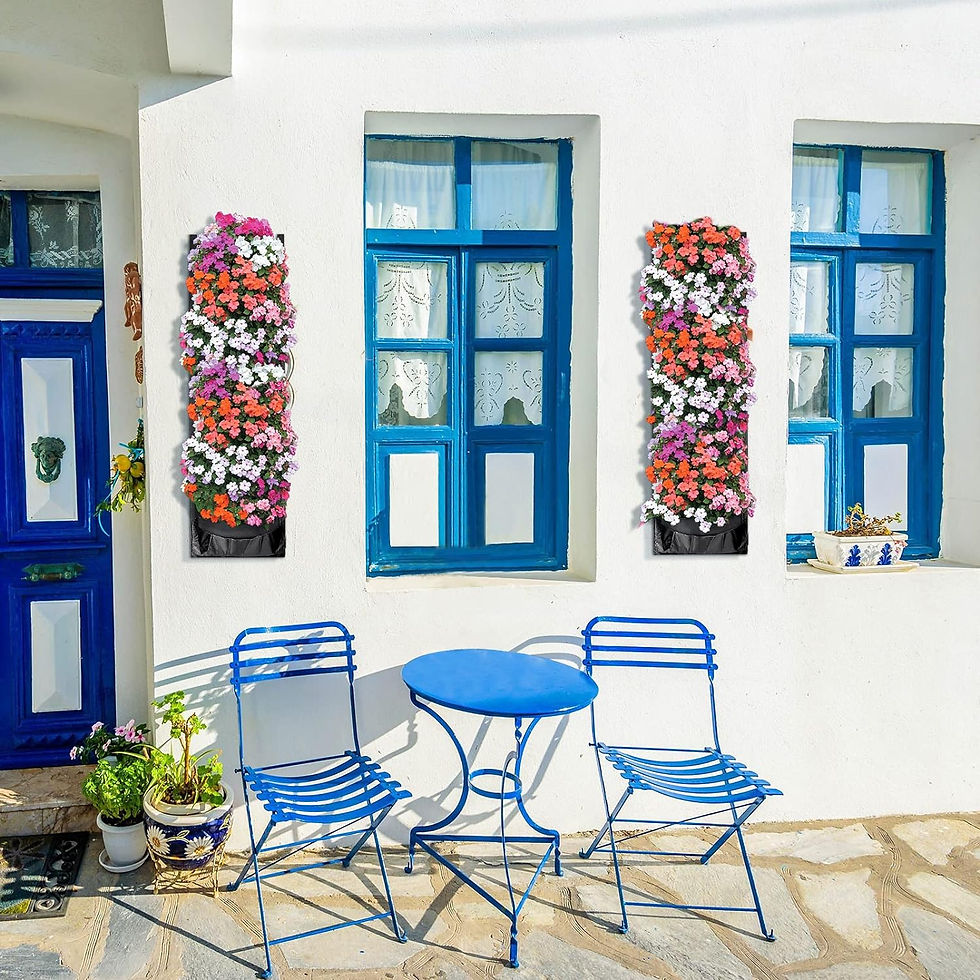
If you're tight on space but bursting with creativity, pocket planters are your go-to solution. These nifty contraptions feature a series of pockets, often made from breathable fabric, allowing you to grow a variety of plants in a compact vertical arrangement. The pros? Pocket planters are lightweight, easy to install, and can be hung on walls or fences, adding a touch of green to even the dullest spaces. However, be mindful of watering needs, as the fabric may dry out quickly, requiring regular hydration.
3. Tower Gardens:
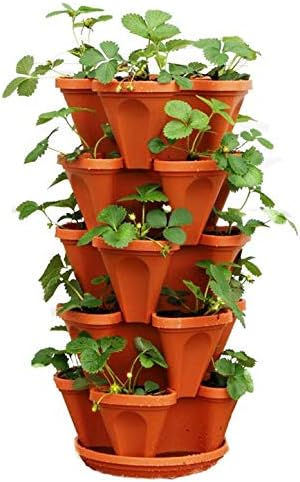
Prepare to take your vertical gardening to new heights with tower gardens. These vertical hydroponic systems allow you to grow plants without soil by circulating nutrient-rich water. Tower gardens are an excellent option for urban dwellers or those seeking a low-maintenance gardening experience. The pros? Tower gardens maximize space, conserve water, and provide optimal growing conditions for various herbs, vegetables, and even flowers. On the flip side, they may come with higher upfront costs and require electricity for the water pump.
4. Hanging Baskets:
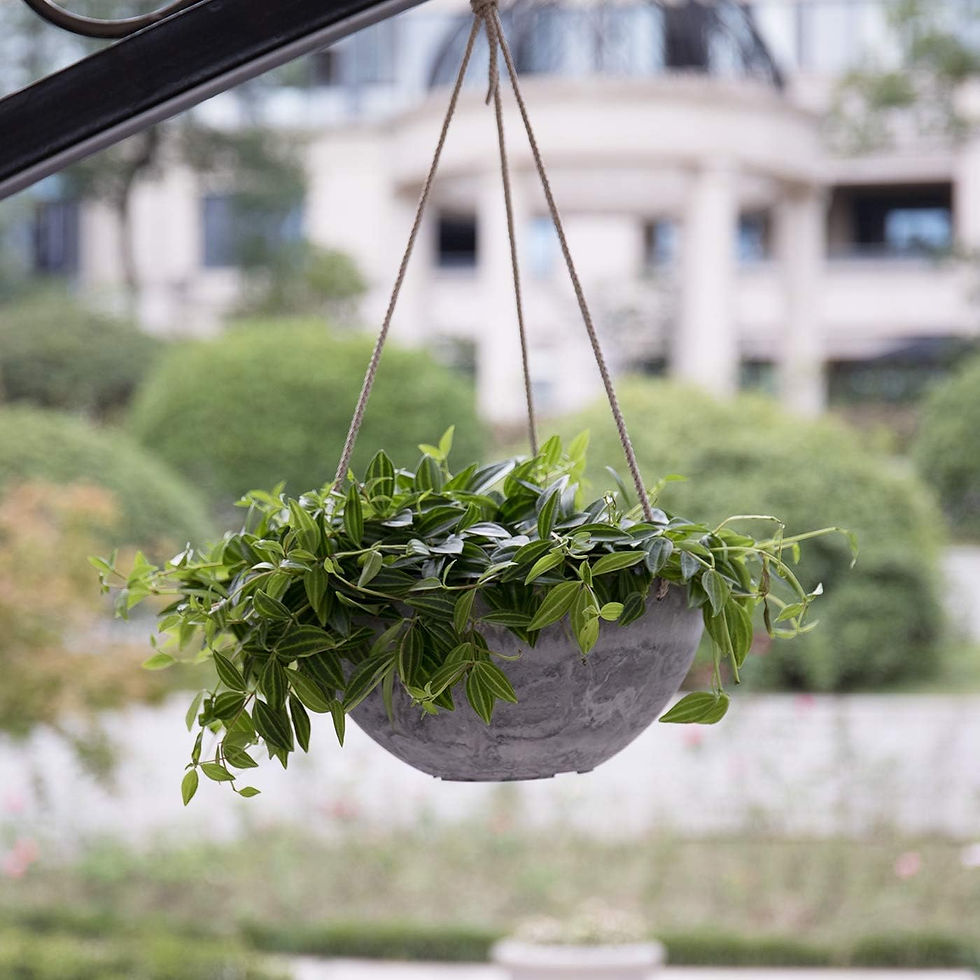
If you're a fan of cascading foliage, hanging baskets are the epitome of vertical beauty. These suspended planters add a whimsical touch to any space, allowing trailing plants to dangle gracefully. The pros? Hanging baskets are easy to install, provide excellent drainage, and add visual interest to patios, balconies, or pergolas. However, they require diligent watering, as they tend to dry out more quickly. So, make sure you have a green thumb with a knack for hydration!
Vertical gardening is an exciting and innovative way to satisfy your horticultural cravings, regardless of your available space. From pallet planters and pocket planters to tower gardens and hanging baskets, the possibilities are endless. So, unleash your creativity, experiment with different planters, and let your garden ascend to new heights. Remember, even the sky is not the limit when it comes to nurturing your green companions!
Now, go forth, fellow gardeners, and embark on your vertical gardening journey. May your plants thrive, your walls bloom, and your heart be filled


Comments